

Vaginal Tightening Laser | CE Certification & Products
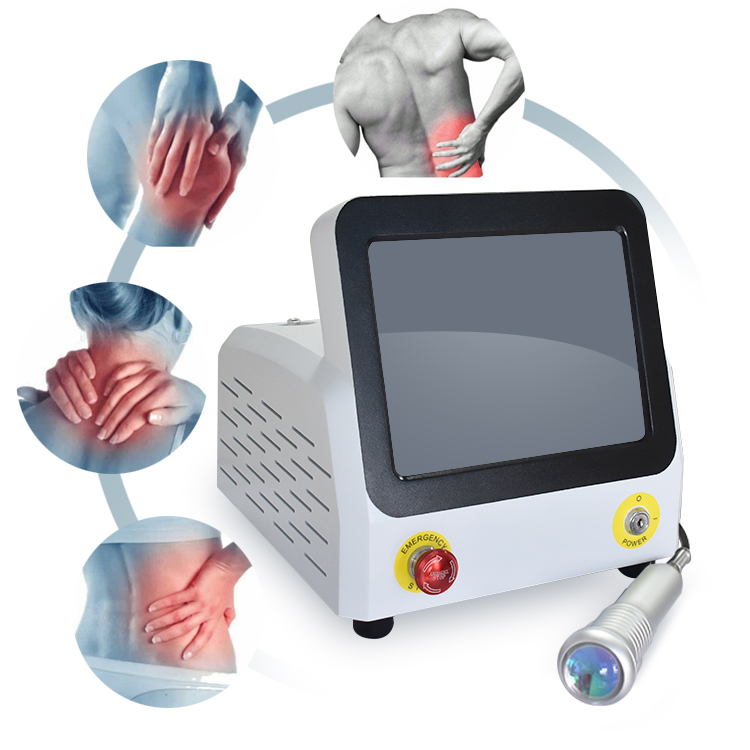
I help clinics and distributors elevate patient care with our Vaginal Tightening Laser. This non-surgical solution uses precise laser energy to stimulate collagen remodeling, improving tone, elasticity, and comfort with minimal downtime. In practice, short sessions fit busy schedules and little to no recovery is needed for most patients. Our device carries CE Certification, underscoring strict safety and regulatory compliance—essential for clinical adoption. For buyers, I highlight our line of carefully tested Products, backed by training, on-site demos, robust support, and parts availability. The system is intuitive, with adjustable parameters and remote monitoring options to match your treatment protocols. If you want a proven, compliant alternative to invasive procedures, this Vaginal Tightening Laser is ready to integrate into your practice and drive patient satisfaction and clinic revenue.


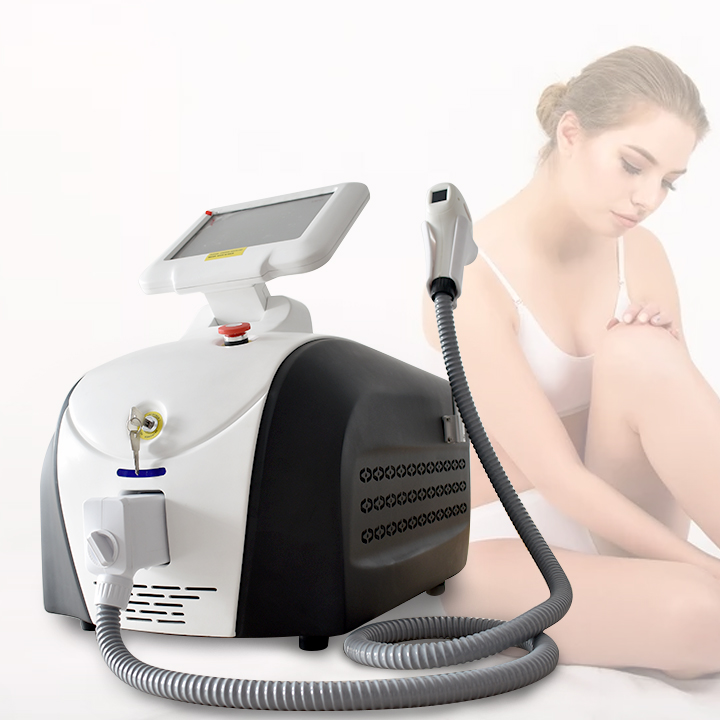


Vaginal Tightening Laser Products Now Trending
The global demand for non-invasive vaginal tightening has surged, with laser-based devices leading the trend in aesthetic gynecology clinics. Buyers favor office-based treatments that require minimal downtime, quick sessions, and evidence of collagen remodeling. Modern platforms offer fractional or non-ablative energy, with patient comfort boosted by smart cooling and rapid recovery. International purchasers should focus on regulatory clearance, robust quality systems, and reliable after-sales support. Seek devices with recognized certifications (CE/FDA where applicable), ISO 13485 manufacturing, and solid clinical data. Partners should provide comprehensive training, installation, spare parts, warranty, and dependable logistics to ensure a scalable, compliant global rollout.
| Product Code | Laser Type | Wavelength (nm) | Pulse Duration (ms) | Repetition Rate (Hz) | Fluence (J/cm²) | Treatment Area (cm²) | Typical Session Time (min) | Effectiveness (1-5) | Indications | Safety Profile | Global Popularity (%) |
|---|---|---|---|---|---|---|---|---|---|---|---|
| VTL-CO2-FR01 | Fractional CO2 Laser | 10600 | 0.25 | 10 | 0.30 | 2.5 | 28 | 4 | Vaginal laxity; mucosal rejuvenation | Excellent | 25.4 |
| VTL-ER-2940 | Er:YAG | 2940 | 1.0 | 5 | 0.18 | 3.0 | 25 | 4 | Tightening and tissue remodeling | Excellent | 18.7 |
| VTL-ND1064-02 | Nd:YAG 1064 | 1064 | 0.8 | 4 | 0.15 | 2.2 | 22 | 3 | Mucosal tightening; moisture improvement | Very Good | 12.5 |
| VTL-CO2-FR02 | Fractional CO2 | 10600 | 0.35 | 12 | 0.27 | 2.4 | 26 | 4 | Severe laxity; postmenopausal changes | Excellent | 28.9 |
| VTL-ND1064-03 | Nd:YAG 1064 | 1064 | 0.6 | 3 | 0.22 | 2.0 | 20 | 3 | Mild tightening | Very Good | 14.3 |
| VTL-PIC-04 | Picosecond Nd:YAG | 1064 | 0.4 | 6 | 0.25 | 2.6 | 18 | 4 | Texture improvement; collagen stimulation | Excellent | 16.4 |
| VTL-ER-06 | Er:YAG 2780 | 2780 | 0.7 | 4 | 0.20 | 2.3 | 24 | 3 | Vaginal mucosa thickening; elasticity | Very Good | 9.7 |
| VTL-ND-08 | Nd:YAG 1064 | 1064 | 0.9 | 2 | 0.16 | 2.1 | 21 | 2 | General strengthening; maintenance | Good | 8.8 |
Related Products
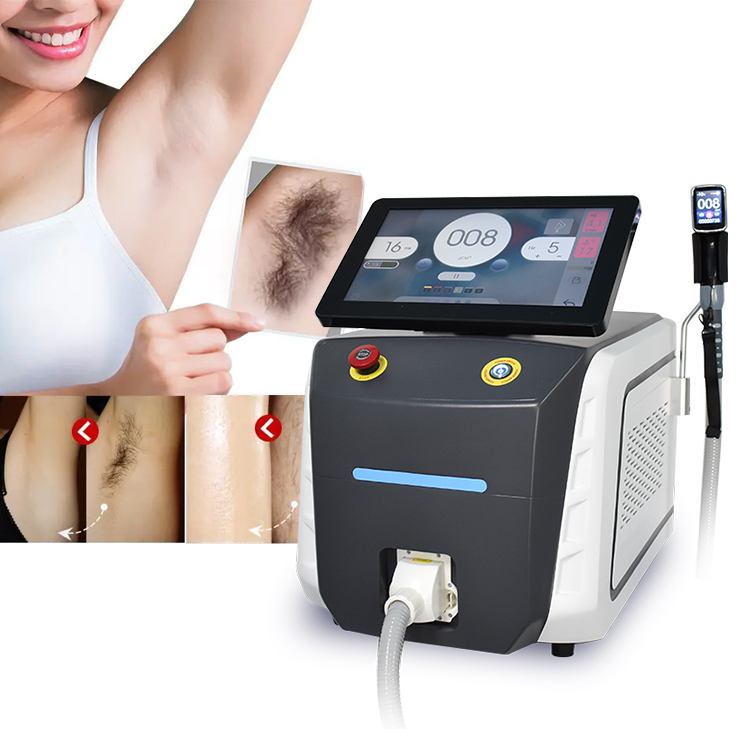


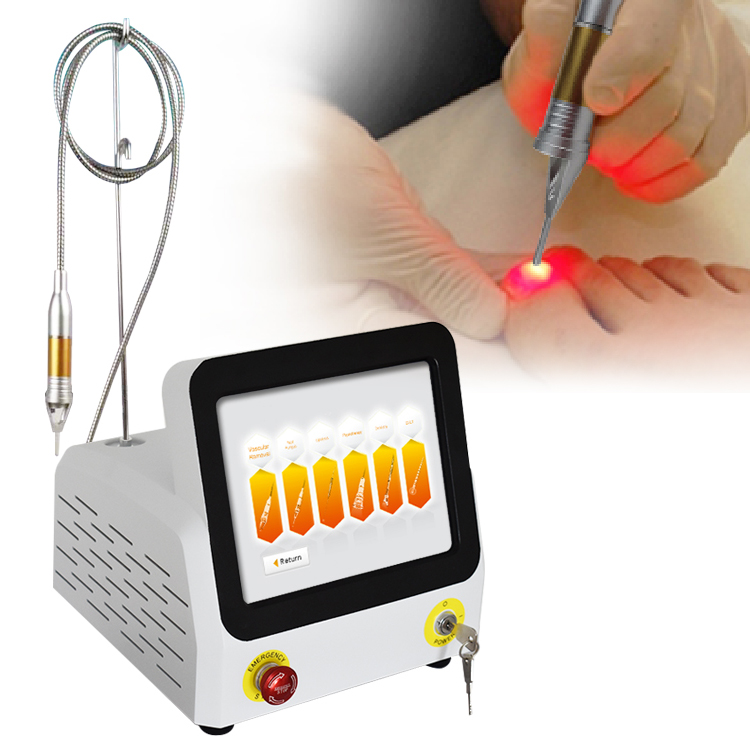

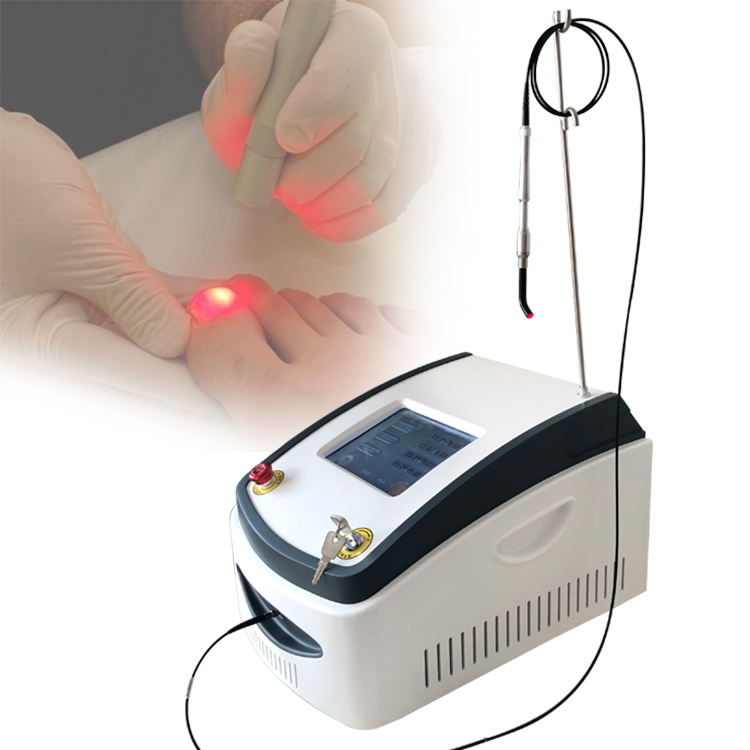

Vaginal Tightening Laser Stands Out Winning in 2025
Top Selling Products

- Related Blog
- Reviews
