
Shockwave Therapy Beauty Equipment ODM Product Solutions
I’m excited to bring the Shockwave Therapy Beauty Equipment to professional clinics and spa networks seeking reliable aesthetic solutions. This device delivers targeted acoustic waves to stimulate collagen, improve skin tone, and reduce cellulite with non-invasive sessions. Lightweight, ergonomic handpiece, multiple preset intensities, and quick treatment cycles let practitioners treat facial rejuvenation, cellulite, and scar remodeling efficiently. The system features intuitive UI, medical-grade safety features, and robust cooling to ensure comfortable sessions for every client. We support ODM customization to align with your branding and regulatory needs—from casing design and packaging to software configuration and accessory options. Each Product we ship is backed by stable supply, comprehensive warranties, and access to spare parts and technical support. For B2B purchasers, this equipment represents dependable performance, streamlined training, and a scalable solution for your clinic network. If you’re seeking a trusted partner, let’s discuss how this Product can fit your portfolio and client demand.
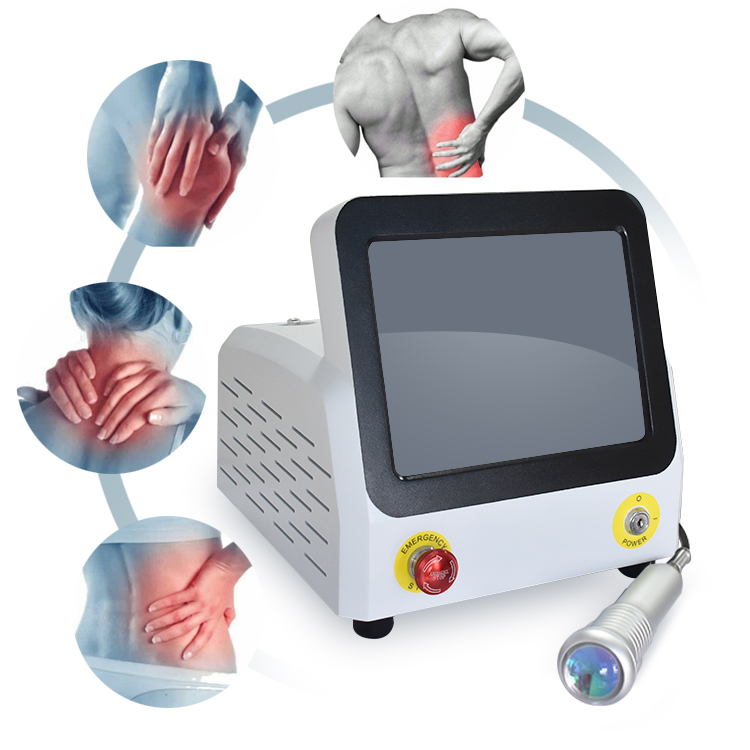

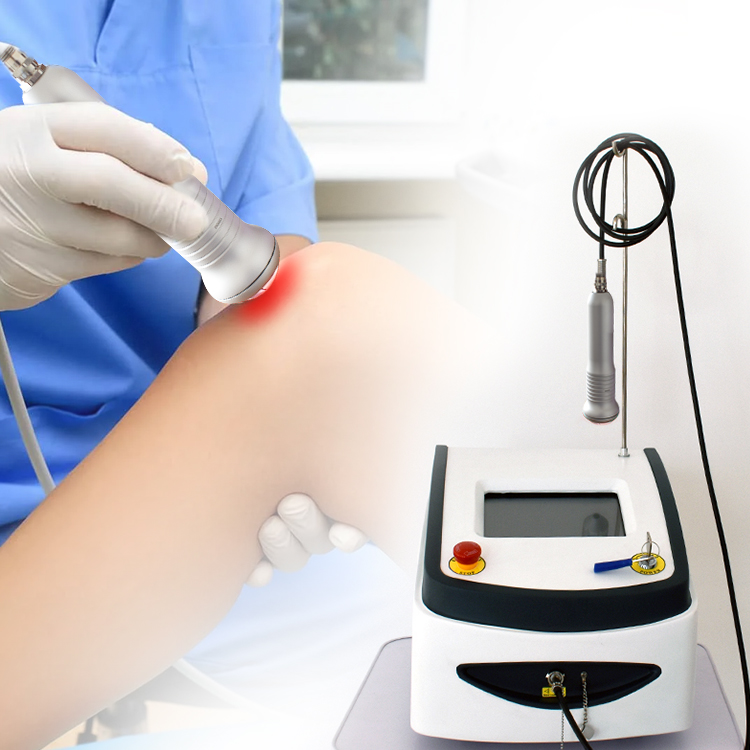
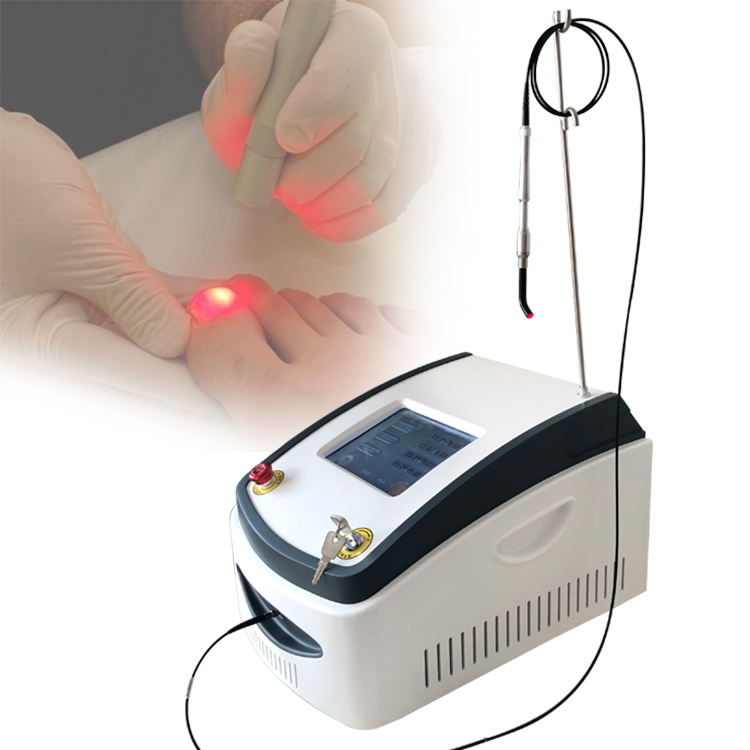
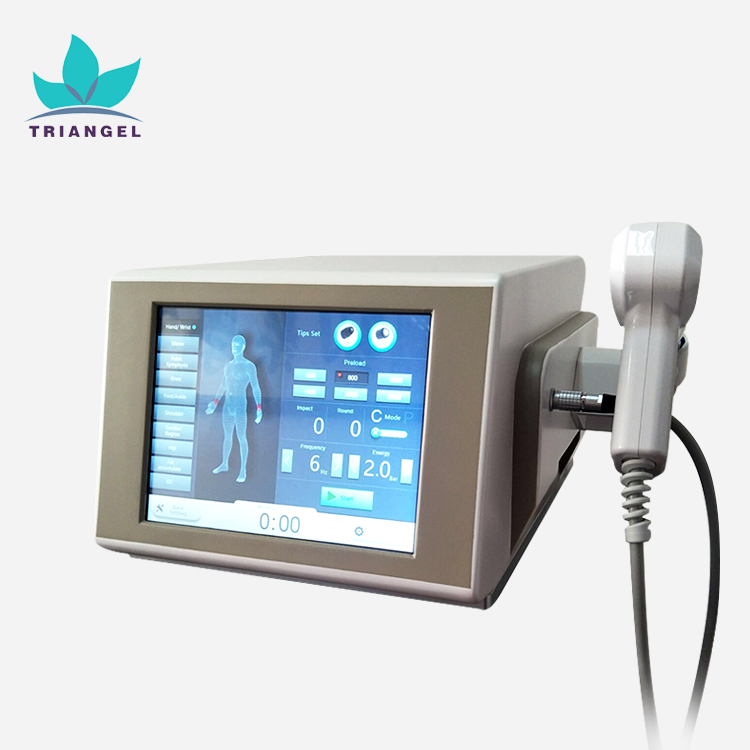

Shockwave Therapy Beauty Equipment in 2025 More Than a Supplier - A Partner
In 2025, shockwave therapy devices have evolved from a one-off purchase into a strategic partnership for clinics worldwide. Today’s models combine reliable energy delivery with user-friendly interfaces, multi-mode therapy options, and durable build quality that stands up to high-volume settings. A true partner supports clinics beyond the sale with compliant documentation, regional service coverage, and clinical data that helps demonstrate outcomes. This is essential for global buyers who must harmonize regulatory demands, reimbursement pathways, and consistent performance across borders. Beyond hardware, a strategic partner offers end-to-end solutions: customization or private-label options, efficient logistics with regional certifications, training, and remote diagnostics. Proactive maintenance, favorable warranty terms, and a strong service network minimize downtime and protect ROI. The best collaborators provide data-enabled aftercare through cloud dashboards and ongoing clinical support, turning equipment into a reliable ecosystem that boosts outcomes and expands market reach.
| Dimension | Description | 2023 | 2024 | 2025 Forecast |
|---|---|---|---|---|
| North America | Share of clinics adopting shockwave therapy devices. | 22% | 24% | 26% |
| Europe | Share of clinics adopting shockwave therapy devices. | 20% | 22% | 23% |
| Asia-Pacific | Share of clinics adopting shockwave therapy devices. | 25% | 26% | 28% |
| Latin America | Share of clinics adopting shockwave therapy devices. | 6% | 7% | 7% |
| Middle East & Africa | Share of clinics adopting shockwave therapy devices. | 7% | 7% | 6% |
| Dermatology clinics adoption rate | Percentage of dermatology clinics offering SW therapy. | 38% | 45% | 55% |
| Weekly sessions per clinic | Average number of therapy sessions per clinic per week. | 12 | 15 | 18 |
| Regulatory approvals | Global certifications/approvals count. | 3 | 4 | 5 |
| Patient satisfaction score | Average patient satisfaction score (out of 5). | 4.25 | 4.38 | 4.52 |
| Average treatment duration | Average session duration (minutes). | 22 | 21 | 20 |
| Training hours per clinic per year | Annual training hours per clinic. | 14 | 18 | 22 |
| Device uptime | Device uptime percentage. | 98.3% | 98.7% | 99.1% |
| After-sales support response time | Average response time after service request (hours). | 5.5 h | 4.2 h | 3.8 h |
Related Products
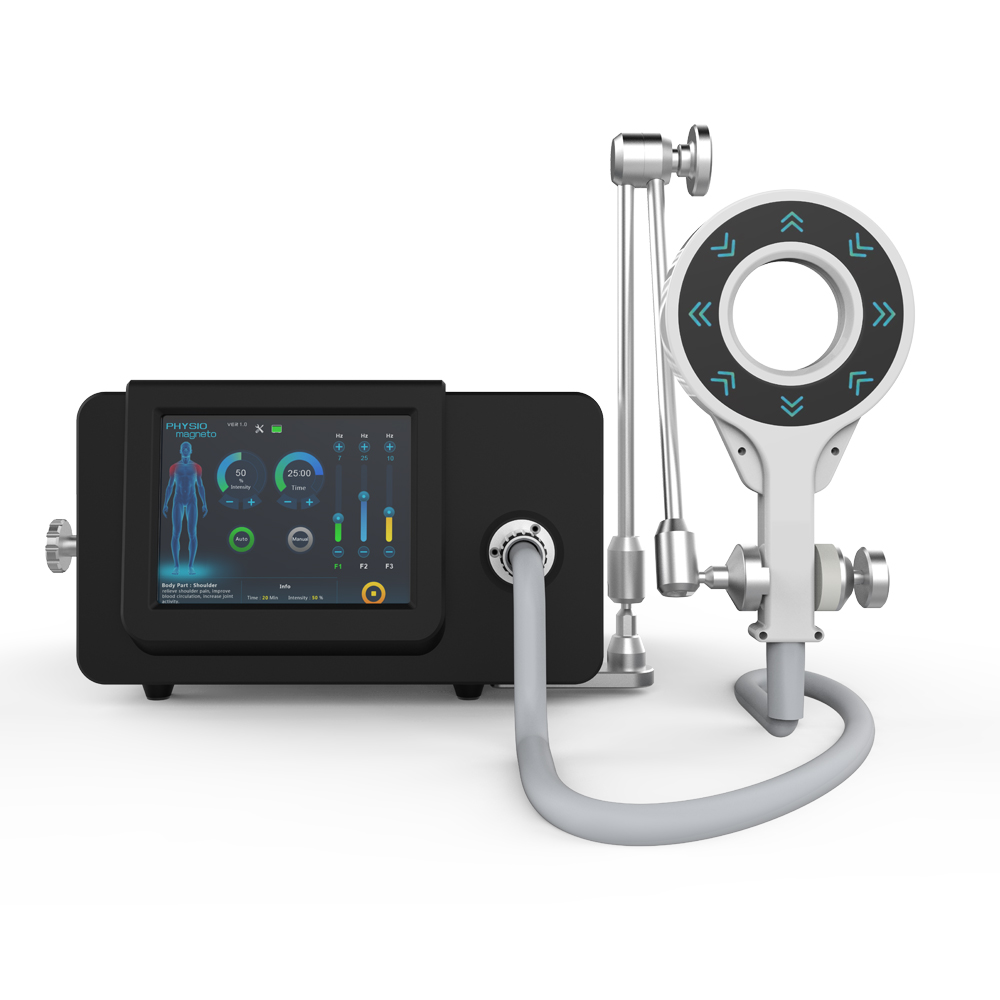

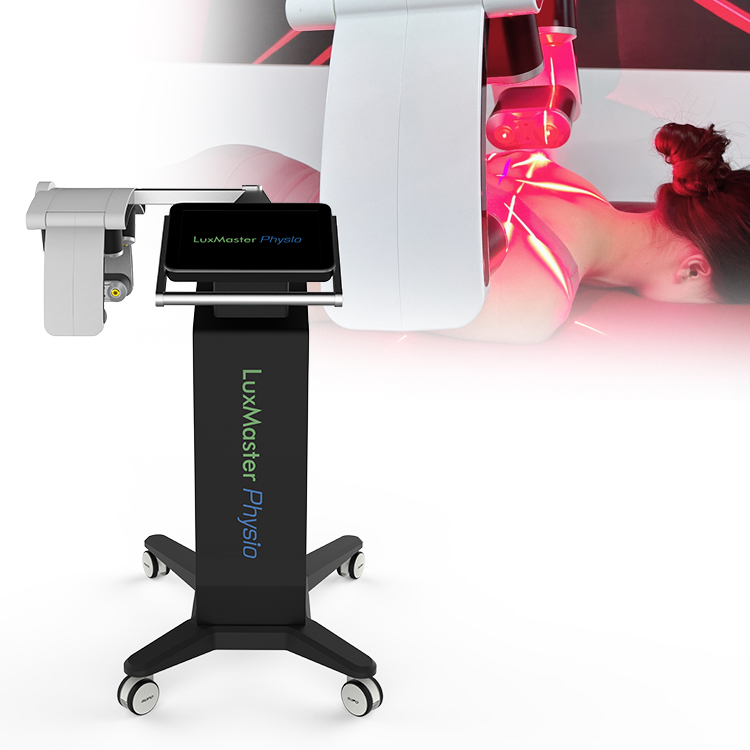
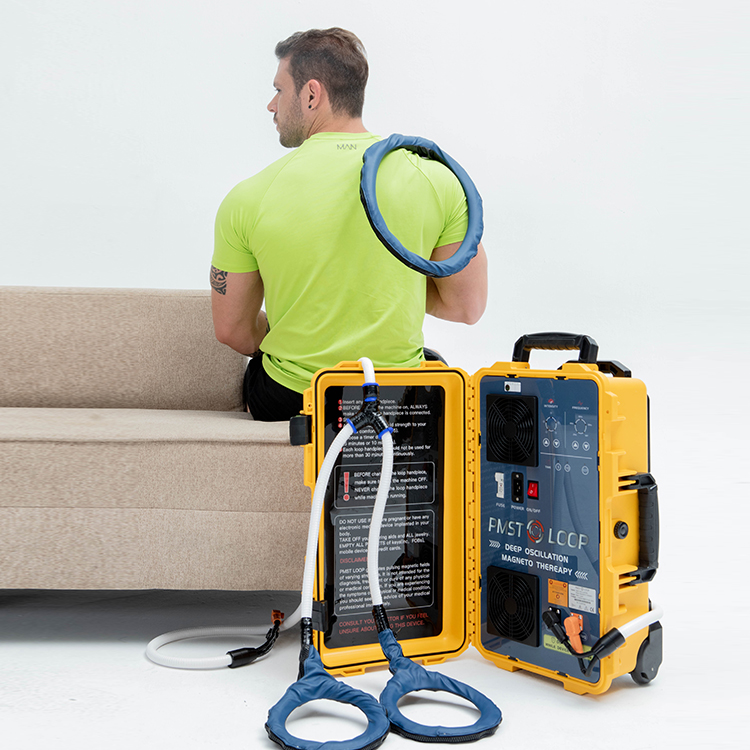
Shockwave Therapy Beauty Equipment Where Service Meets Innovation From Concept to Delivery
Top Selling Products


- Related Blog
- Reviews
