

Extracorporeal Shockwave Magnetic Therapy - Cheap Service
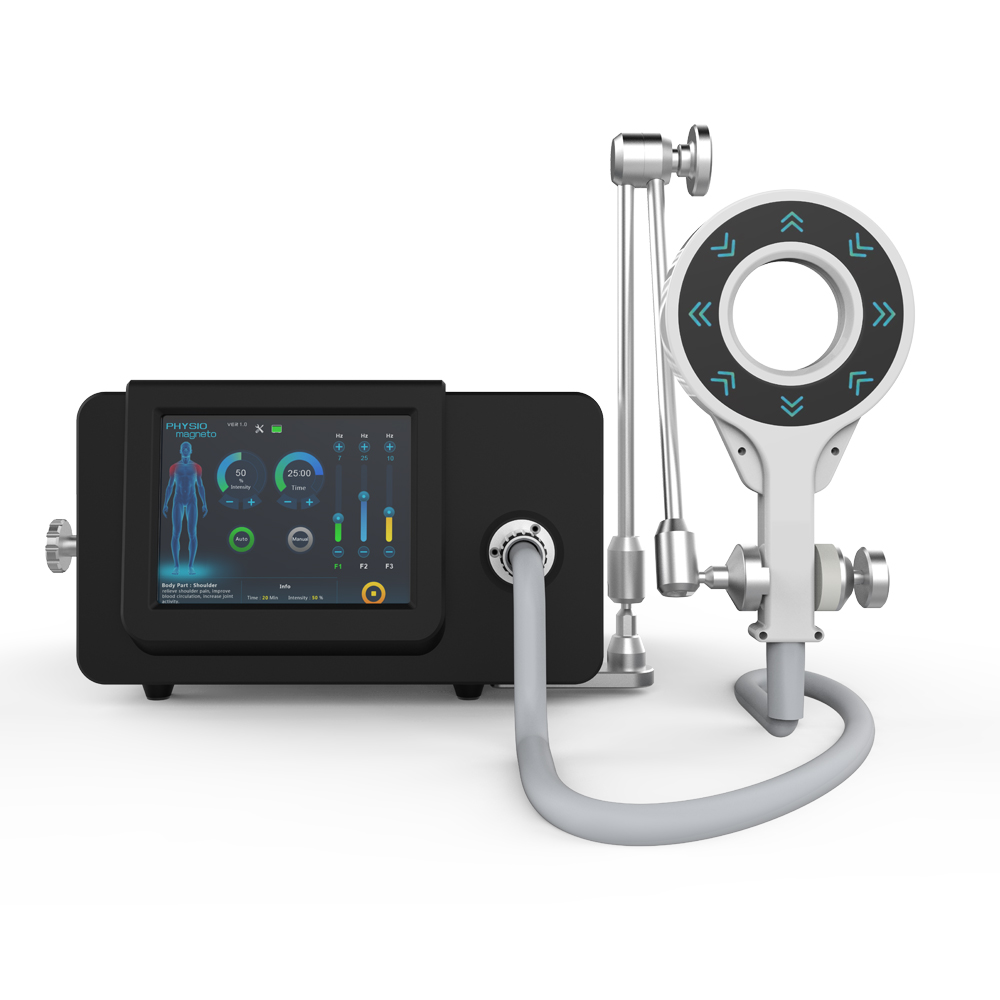
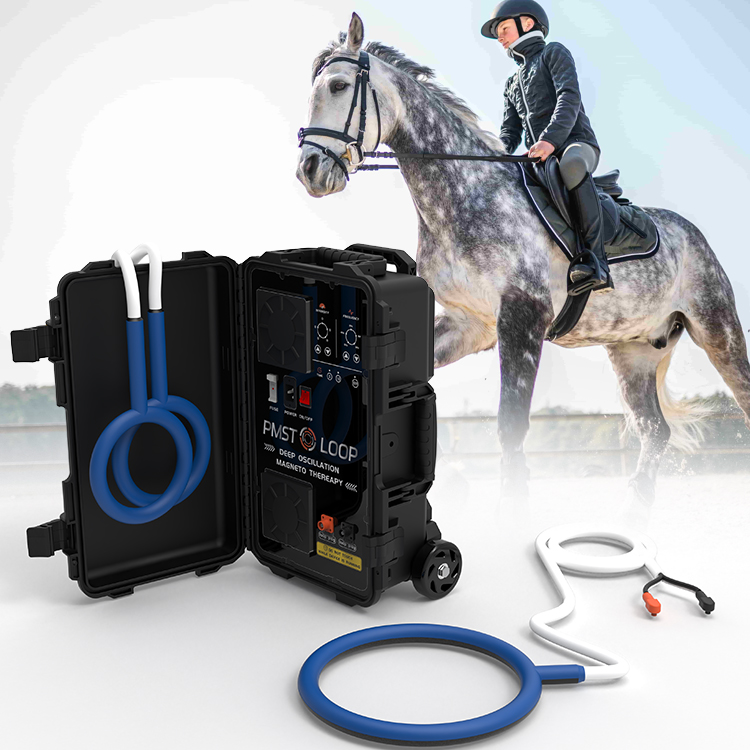
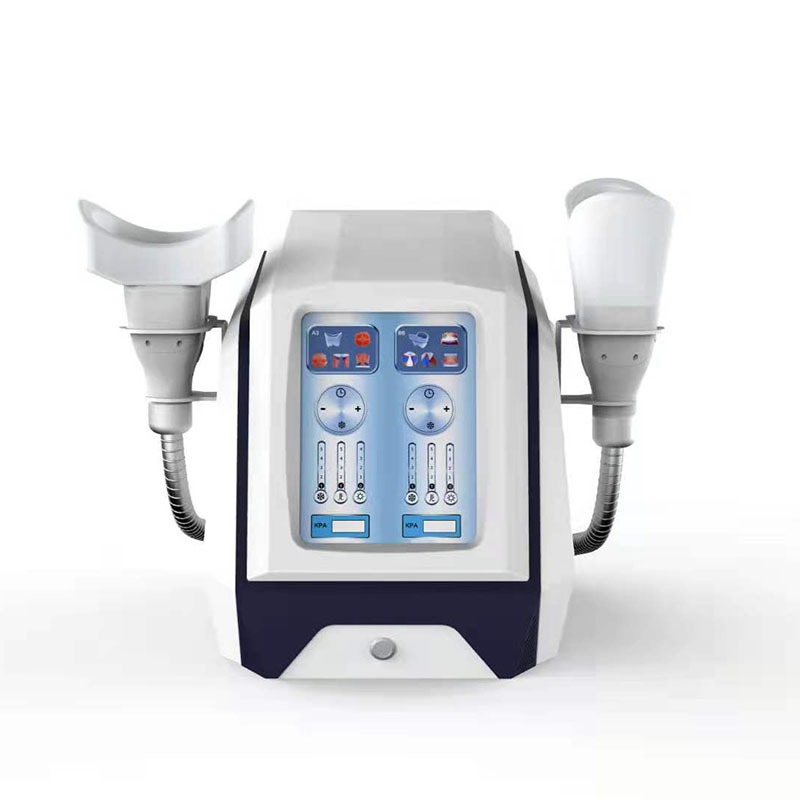
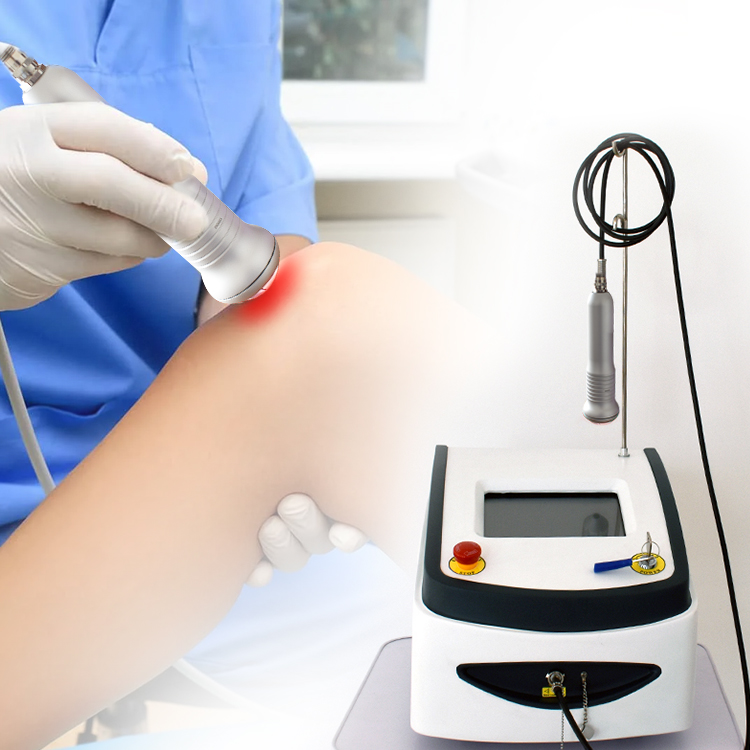
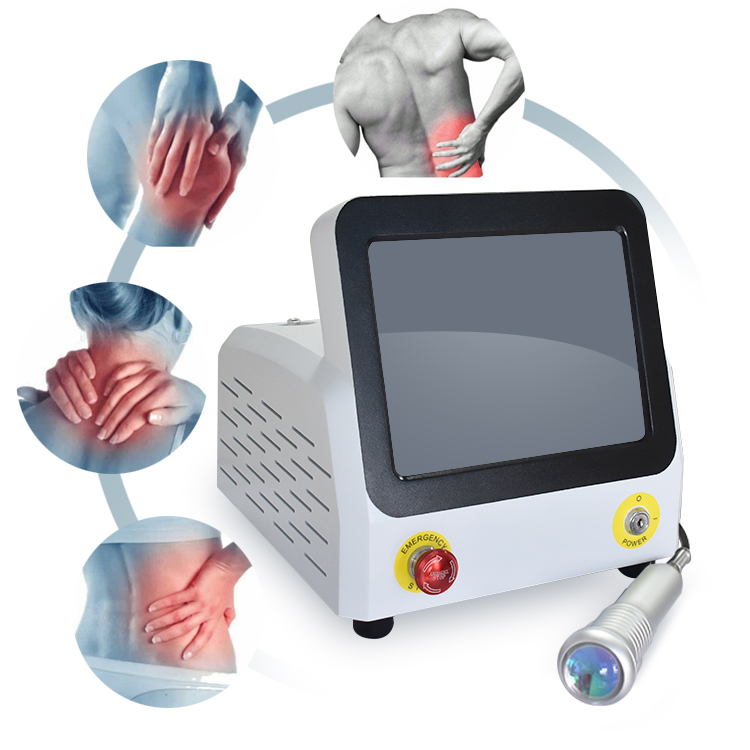
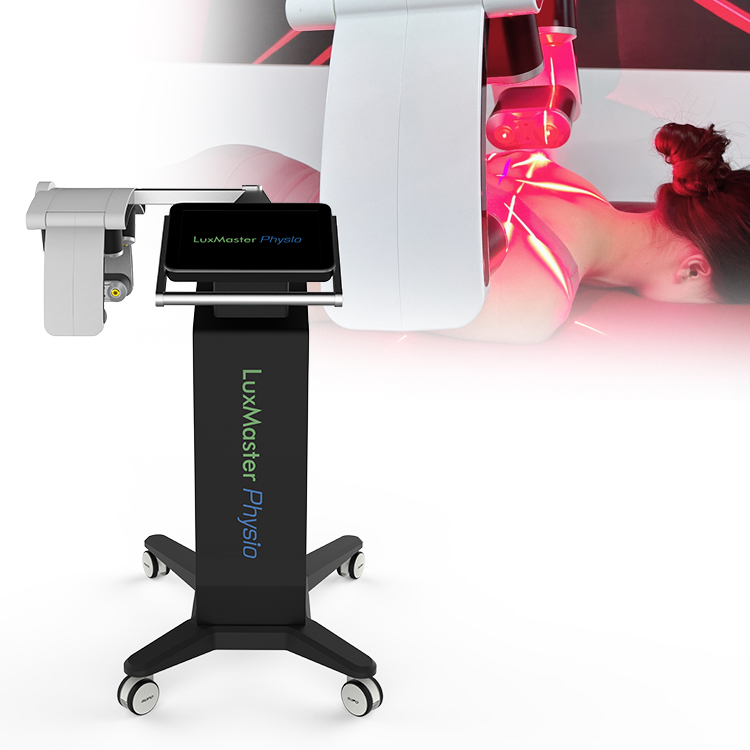
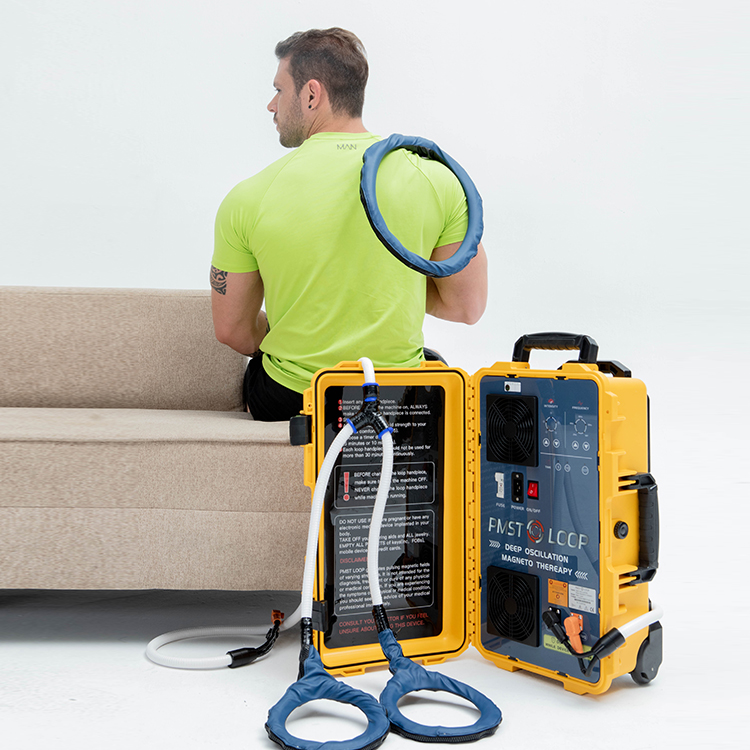
As a dedicated medical equipment partner, I present Extracorporeal Shockwave Magnetic Therapy—an integrative, non-invasive solution for musculoskeletal rehab. By combining high-energy shockwaves with targeted magnetic modulation, this device promotes collagen remodeling, reduces pain, and speeds recovery without surgery. For clinics and therapists looking to expand their service portfolio, it’s a practical choice with fast setup and minimal downtime. I designed it to be reliable, repeatable, and easy to train staff on. You can adjust energy levels and treatment patterns to fit patient needs, and the integrated software tracks progress across sessions. The system is cost-effective, offering cheap operation and low maintenance while delivering consistent results, so your facility can scale service volumes. Customer service is responsive—our team provides installation, remote coaching, and ongoing parts supply. If you want a competitive edge in non-invasive therapy, this is the tool to deploy today.
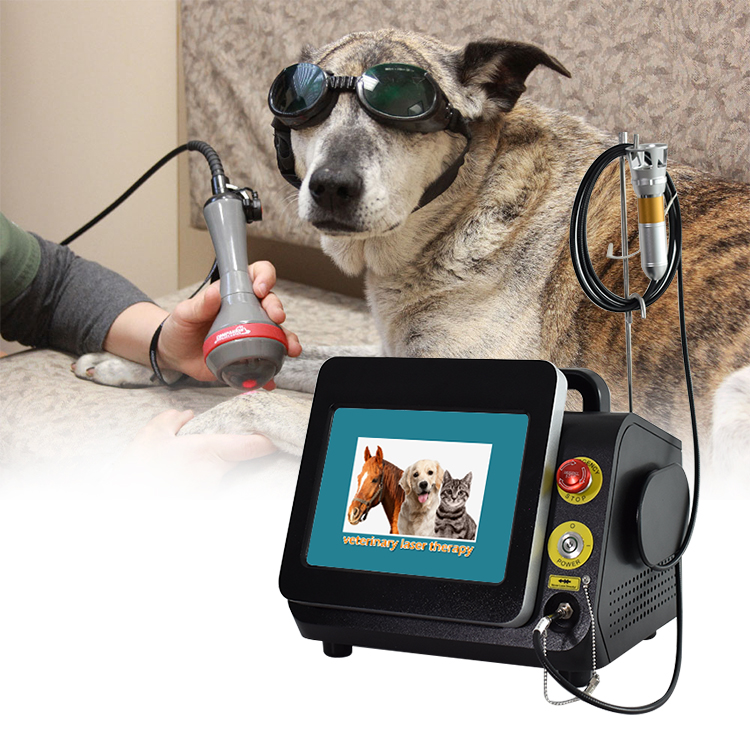
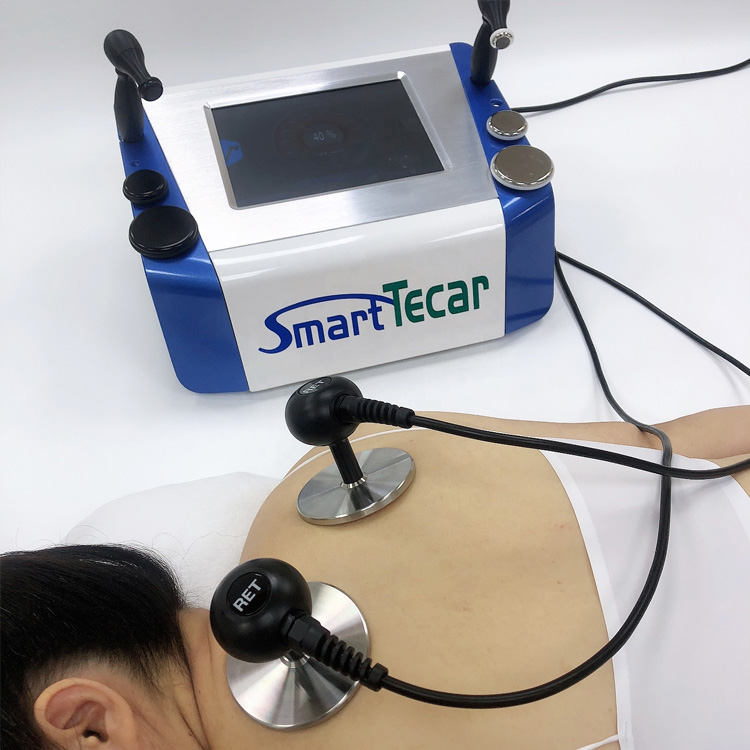
Extracorporeal Shockwave Magnetic Therapy Service Now Trending
Extracorporeal Shockwave Therapy (ESWT) combined with magnetic therapy is now trending as a non-invasive option for musculoskeletal conditions. Clinicians and wellness clinics are adopting this approach for pain relief and tissue repair, drawn by shorter recovery times and flexible treatment protocols. For global buyers, scalable systems that integrate robust ESWT energy delivery with modular magnetic components offer adaptable solutions across sports medicine, physiotherapy, and rehabilitation settings. When sourcing, prioritize regulatory clearance (CE/FDA where applicable), ISO 13485 manufacturing, and clear clinical evidence. Request detailed specifications, service coverage, and spare parts availability, as well as training and installation support. Assess warranty terms, upgrade paths, data security for connected devices, and international service networks to ensure consistent performance across markets. A supplier with transparent documentation and scalable production enables reliable supply to clinics worldwide while maintaining quality and cost control.
Extracorporeal Shockwave Magnetic Therapy Service Now Trending
| Dimension | Description | Typical Value | Notes |
|---|---|---|---|
| Therapy Modality | Combined non-invasive extracorporeal shockwave therapy with adjunct magnetic field application to support soft tissue healing. | Non-invasive outpatient modality | Energy levels adjustable per patient; aims to stimulate tissue response. |
| Indications | Conditions commonly considered for this combined therapy. | Chronic tendon injuries, calcific tendinopathy, plantar fasciitis, myofascial pain | Evidence varies by condition; not all indications are universally accepted. |
| Typical Course Duration | Overall duration of a treatment course. | 4-8 weeks | Depends on condition and patient response. |
| Session Duration | Time per session. | 15-25 minutes | |
| Frequency per Week | Sessions per week. | 1-2 times per week | Spacing allows tissue recovery between sessions. |
| Total Sessions per Course | Number of sessions per course. | 6-8 sessions | Clinics may adjust based on response. |
| Device Type | Equipment configuration. | Hybrid system with focused/radial shockwave heads plus magnetic coil array | Cross-compatible for adjustable energy settings. |
| Mechanism (High-level) | Proposed biological effects. | Mechanical stimulation plus magnetic field effects on microcirculation | Mechanisms are under study; clinical benefit varies by condition. |
| Safety & Common Side Effects | Safety profile. | Mild soreness, transient redness; rare skin irritation | No downtime; consult clinician if pain worsens. |
| Contraindications | When not to use. | Pregnancy; implanted electronic devices near treatment area; active infection in target region; malignancy near treated area; certain coagulation disorders | Review medical history prior to treatment. |
| Recovery Time & Activity | Post-treatment recovery. | No formal downtime; resume daily activities immediately; soreness may occur for 24-48 hours | Follow clinician guidance for activity modification if advised. |
| Evidence Level | Quality of clinical evidence. | Moderate to mixed evidence depending on condition | Best-supported in select tendinopathies; more research needed for other indications. |
| Insurance Coverage & Reimbursement | Payor coverage landscape. | Variable by country and policy | Some regions reimburse partially; many clinics offer bundled packages. |
| Accessibility & Setting | Where services are delivered. | Clinic-based outpatient setting; performed by trained technicians | Not typically suitable for home use; requires professional oversight. |
Related Products
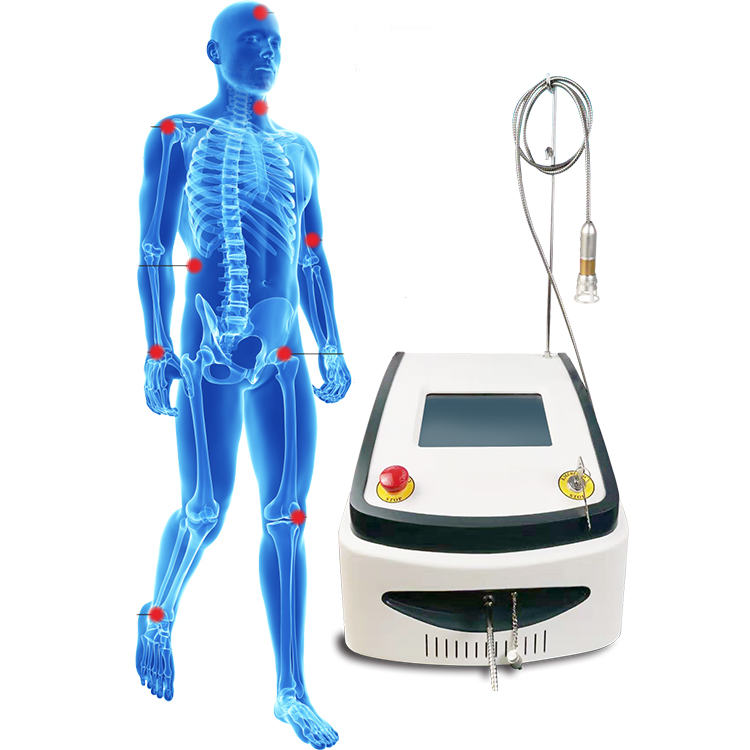
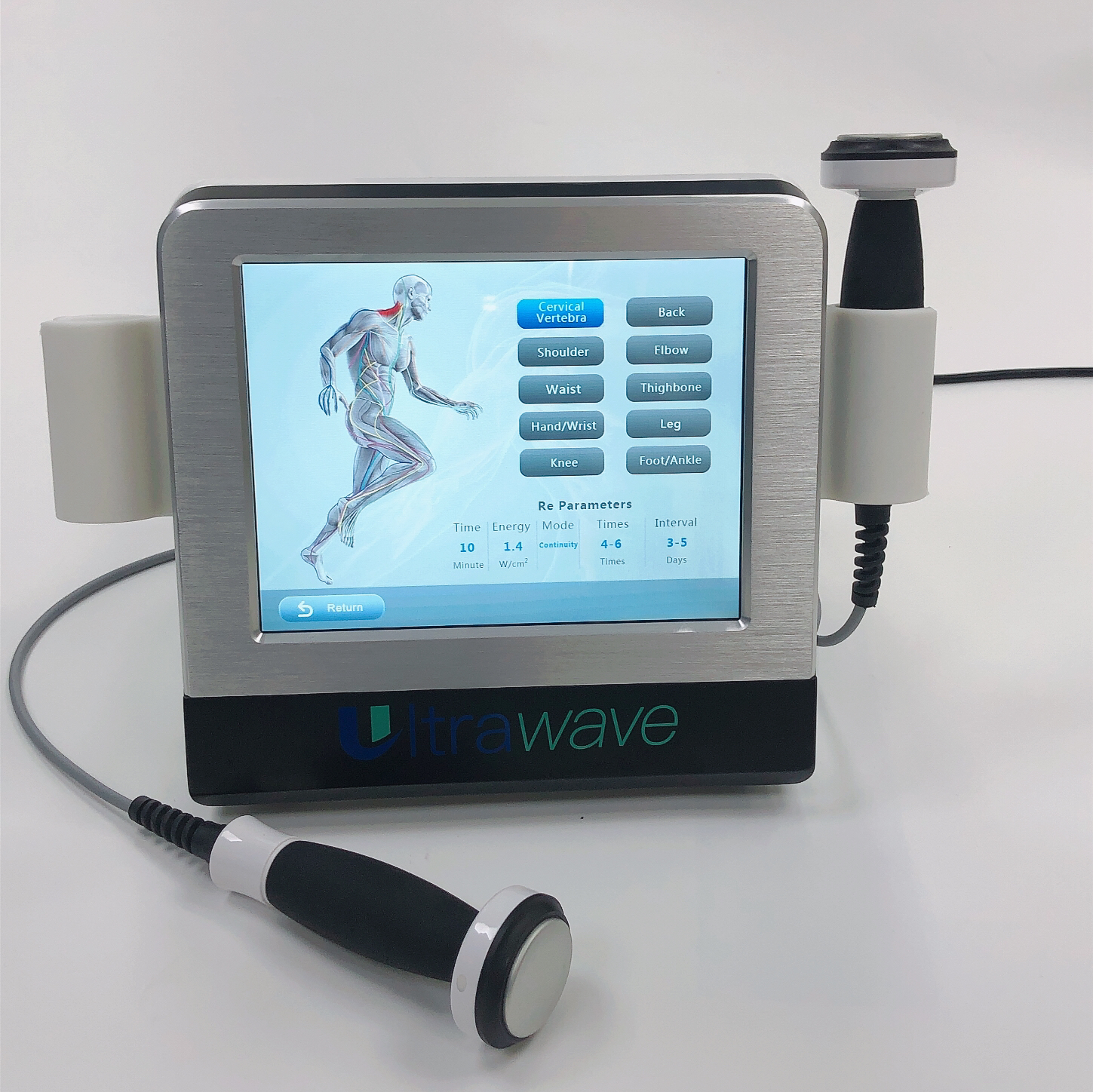


Extracorporeal Shockwave Magnetic Therapy Supplier in 2025
Top Selling Products


- Related Blog
- Reviews
