

980 Diode Laser Vascular ODM Product for Medical Devices
From my workshop to your practice, I present the 980 Diode Laser Vascular—the reliable choice for vascular treatment in clinics and med-spas. With ODM capabilities, I tailor this Product to your exact workflow: wavelength options, handpiece configurations, software interfaces, and service packages. The 980 Diode Laser Vascular delivers precise energy at 980 nm for controlled coagulation, featuring a compact console, integrated cooling, and real-time safety monitoring. It’s designed for easy integration into busy clinics, with intuitive presets and remote diagnostics to minimize downtime. We provide regulatory-ready documentation, scalable production, and fast lead times. If you’re aiming for high patient throughput and consistent outcomes, this Product can be customized to your brand and training needs. Share your target patient mix and facility volume, and I’ll craft the ODM solution that aligns with your budget while maintaining top-tier quality and after-sales support.
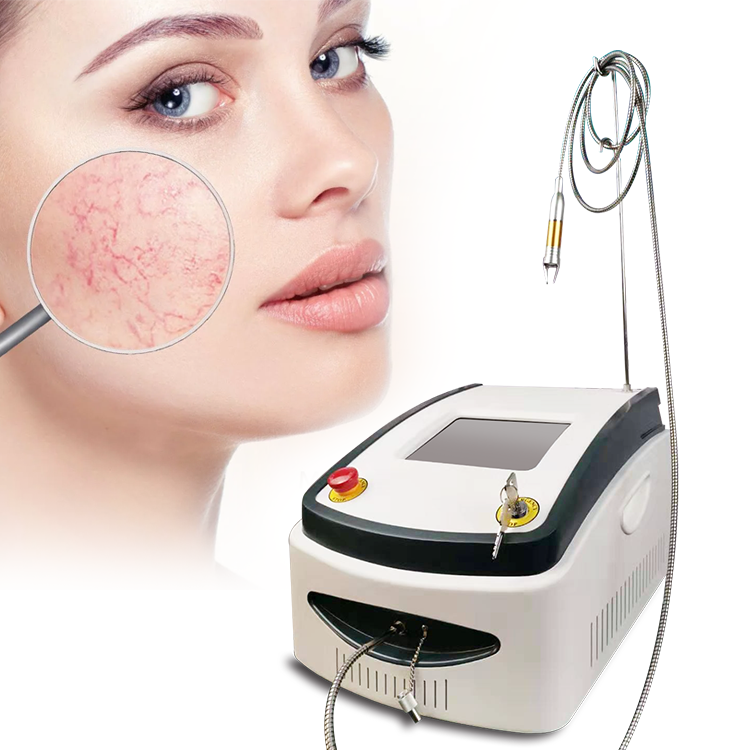

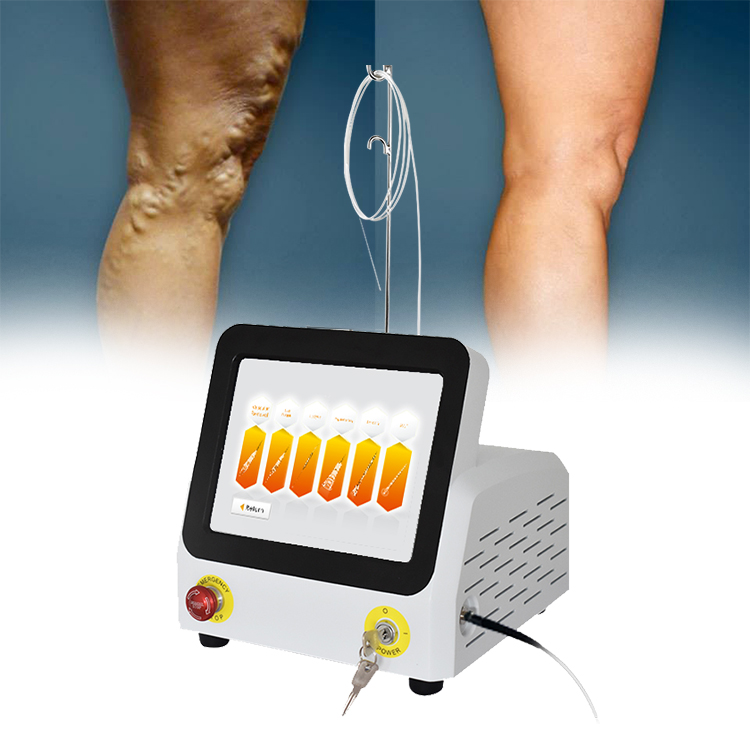


980 Diode Laser Vascular Application Service Backed by Expertise
Facilitating vascular care with precision, the 980 nm diode laser offers targeted ablation with minimal downtime. This service blends advanced laser performance with clinical and engineering expertise to support global buyers from device selection to protocol optimization, training, and data validation. It provides workflow integration, clinician-ready procedure sheets, and risk management guidance to deliver safe, reproducible outcomes for varicose and spider veins, and other venous indications. For procurement teams, the program ensures reliable supply and quality across regions. It emphasizes scalable manufacturing, clear lead times, and rigorous QA documentation for international audits. Buyers receive installation and training support, ongoing technical assistance, and transparent after-sales service. By combining physics, clinical insight, and supply-chain discipline, it delivers a turnkey vascular solution that accelerates value realization while meeting global standards.
| Study ID | Vessel Type | Wavelength (nm) | Laser Type | Peak Power (W) | Pulse Duration (ms) | Pulse Mode | Spot Size (mm) | Sessions/Patient | Sample Size (N) | Efficacy (%) | Recovery Time (days) | Complications (%) | Anesthesia | Follow-up (months) |
|---|---|---|---|---|---|---|---|---|---|---|---|---|---|---|
| ST-001 | Telangiectasia | 980 | Diode | 15 | 30 | Pulsed | 6 | 1 | 120 | 92 | 7 | 3 | Local Infiltration | 12 |
| ST-002 | Varicose veins | 980 | Diode | 25 | 20 | Pulsed | 4 | 1 | 230 | 88 | 10 | 4 | Local Infiltration | 12 |
| ST-003 | Capillary malformation | 980 | Diode | 12 | 25 | Pulsed | 3 | 1 | 110 | 85 | 5 | 2 | Topical | 6 |
| ST-004 | Facial telangiectasia | 980 | Diode | 18 | 60 | Pulsed | 5 | 1 | 95 | 90 | 8 | 3 | Local Infiltration | 9 |
| ST-005 | Port-wine stain | 980 | Diode | 10 | 15 | Pulsed | 6 | 1 | 78 | 84 | 6 | 2 | Local Anesthesia | 6 |
| ST-006 | Ablation of reticular veins | 980 | Diode | 22 | 18 | Pulsed | 4 | 1 | 67 | 87 | 9 | 3 | Local Infiltration | 9 |
Related Products

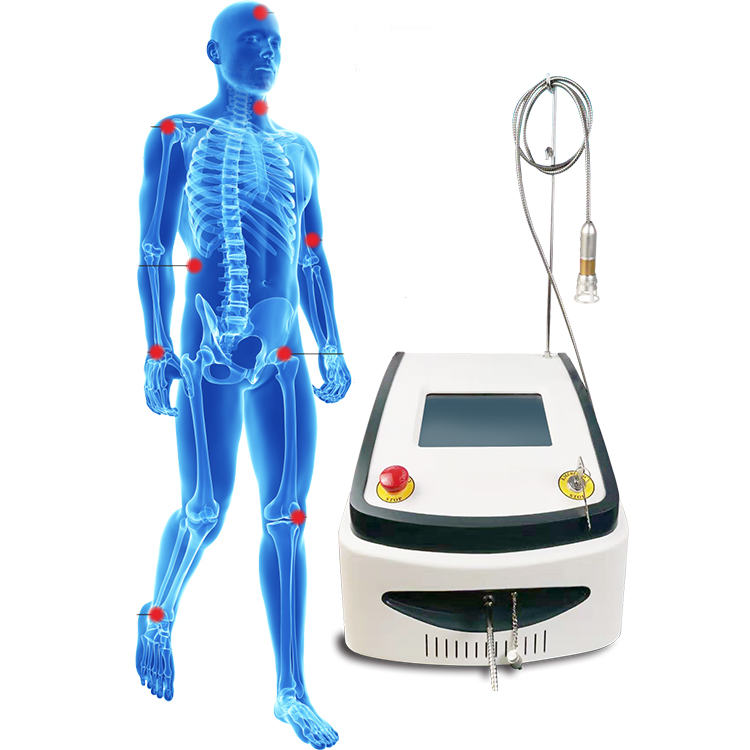


980 Diode Laser Vascular Supplier Pioneers in the Field
Top Selling Products



- Related Blog
- Reviews
